WLM
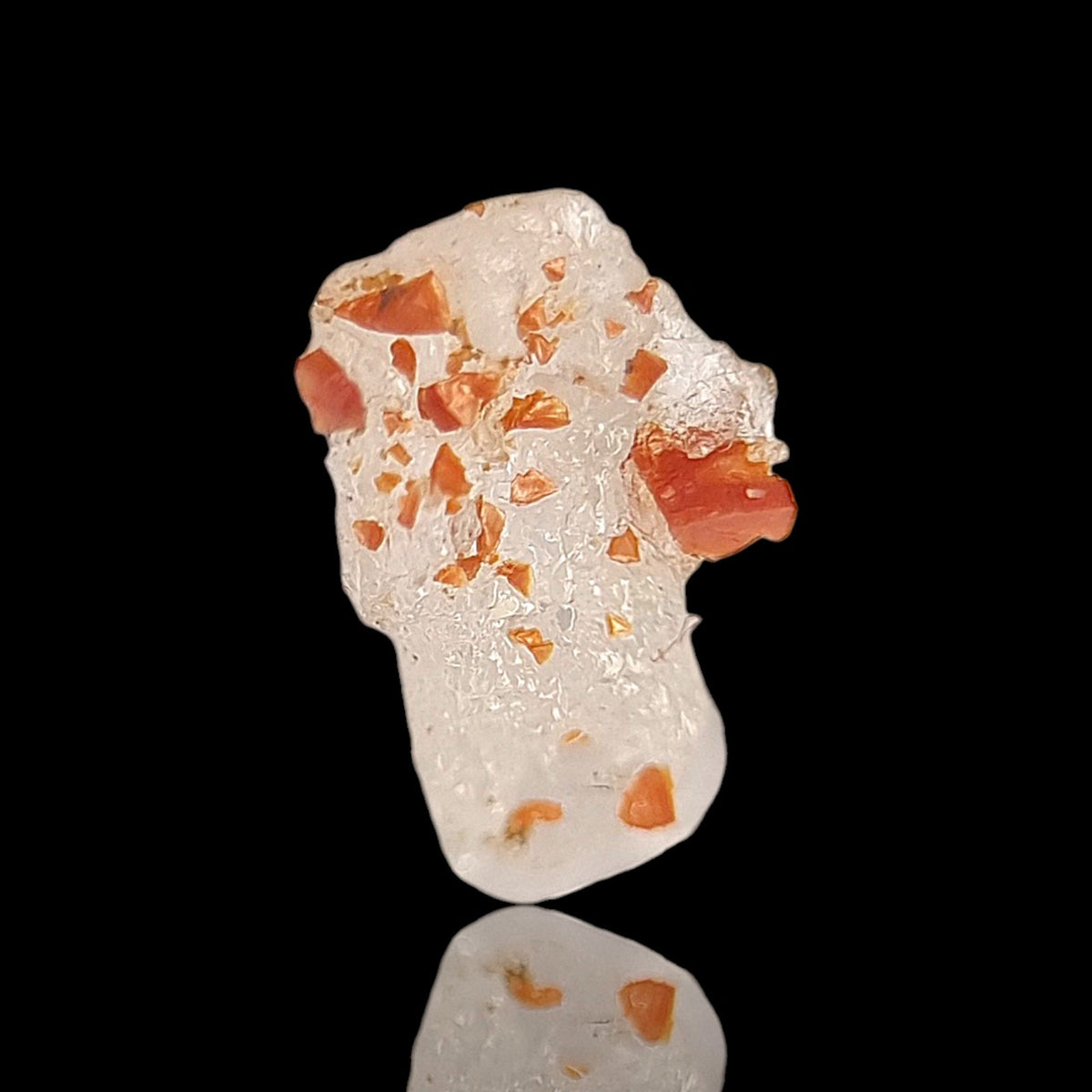
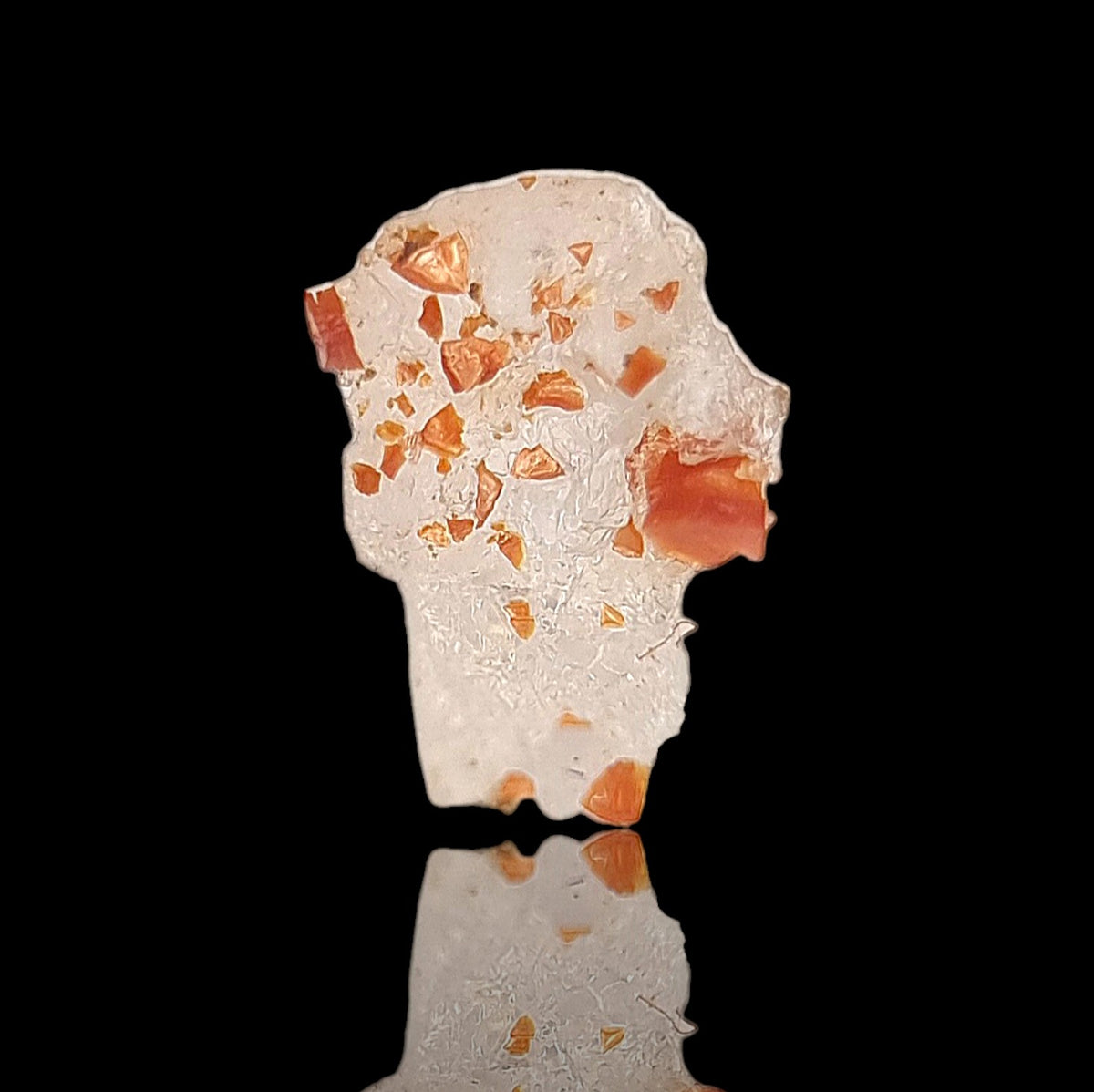
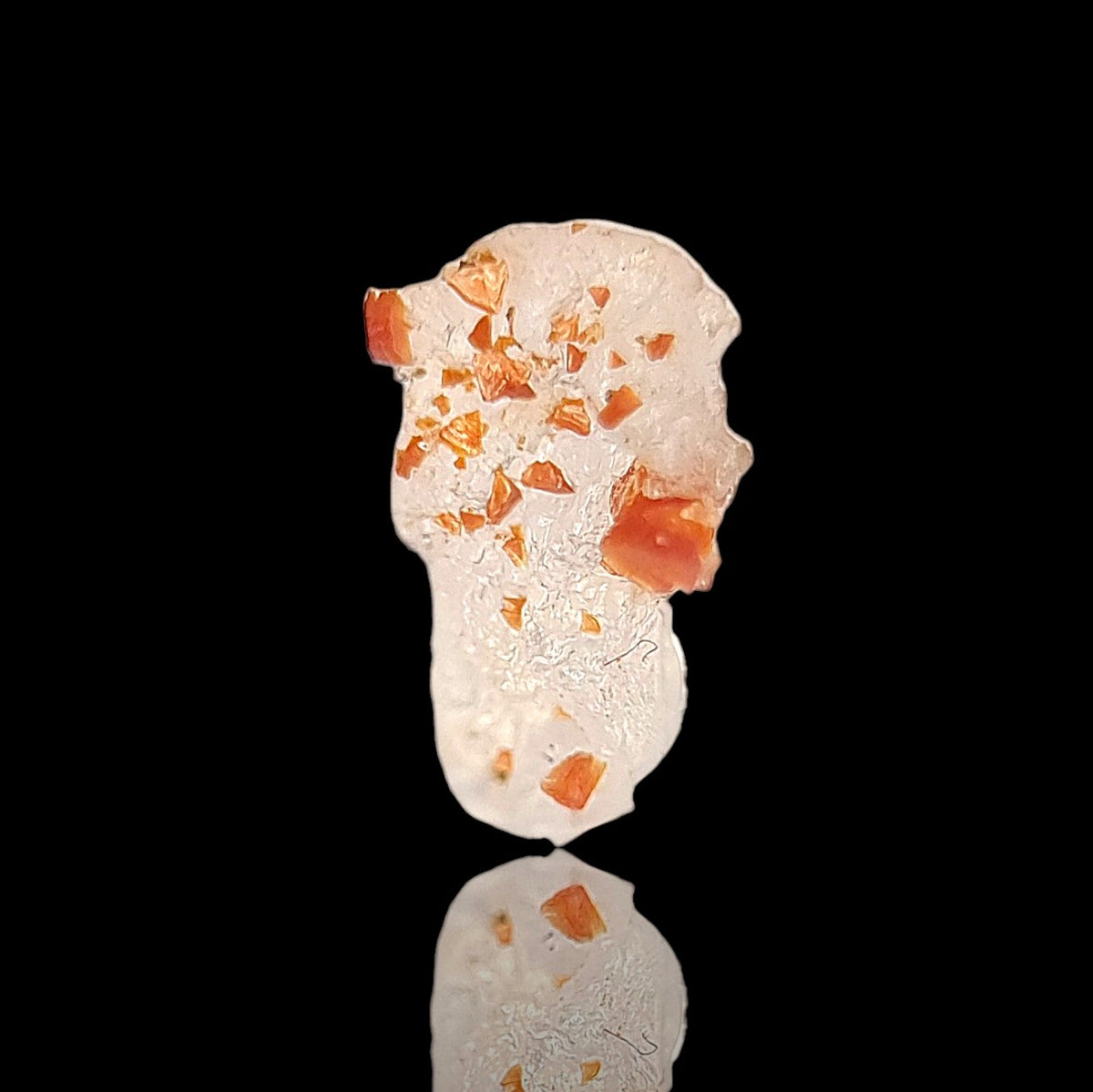
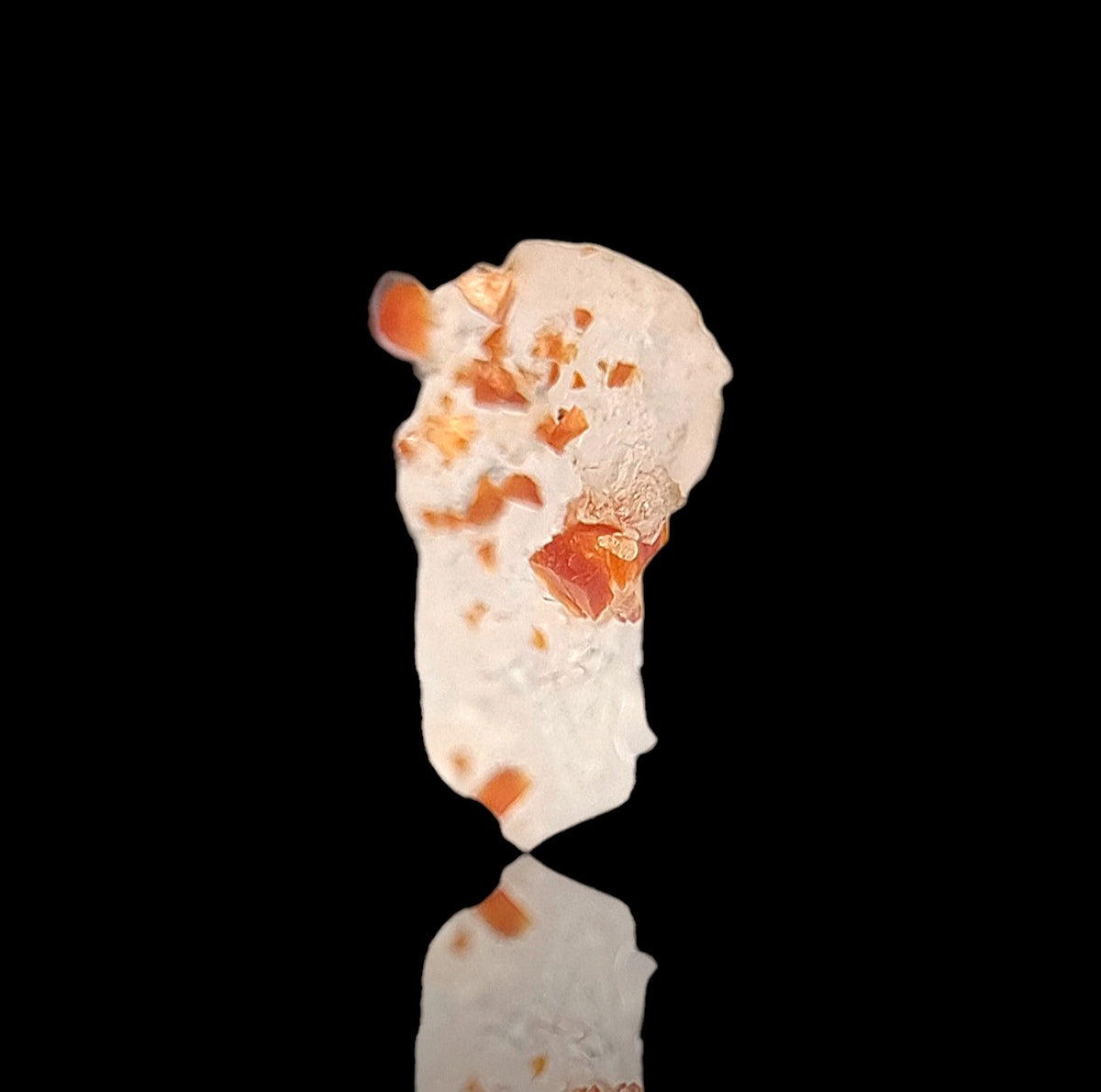
Koenenite, Halite - Shaft Justus I, Solling (TL)
Koenenite, Halite - Shaft Justus I, Solling (TL)
Couldn't load pickup availability
This koenenite on halite from the type locality of Shaft Justus I (later the Wittekind-Hildasglück potash mine) near Volpriehausen in Lower Saxony represents a historical rarity in German salt mineralogy. At the beginning of the 20th century, the Göttingen geology professor Adolf von Koenen discovered this then-unknown mineral during a mine survey and sent samples to the salt petrographer Friedrich Rinne in Hanover, who first described it in 1902 and named it after its discoverer. Since the mine was closed as early as 1925, original specimens from this location are now genuine historical artifacts.
Chemically, koenenite is a complex sodium-magnesium-aluminum chloride hydroxide, whose distinctive orange to reddish-brown color is not inherent but arises from minute microscopic inclusions of hematite. What makes this stage an absolute exception, however, is the free growth of the sharp-edged individual crystals on a stable rock salt matrix. In nature, koenenite otherwise occurs almost exclusively as an inconspicuous, scaly crust or in fine clay solutions, while freely grown crystals on halite require extremely stable formation conditions in saline residual solutions.
Due to its high scientific importance as a German type mineral, such a specimen is an indispensable part of any demanding systematic or Germany-specialized mineral collection.
Size: 0.8 x 0.5 x 0.3 cm
Locality: Justus I Shaft (Wittekind-Hildasglück mine), Volpriehausen, Uslar, Northeim District, Lower Saxony, Germany
Share